
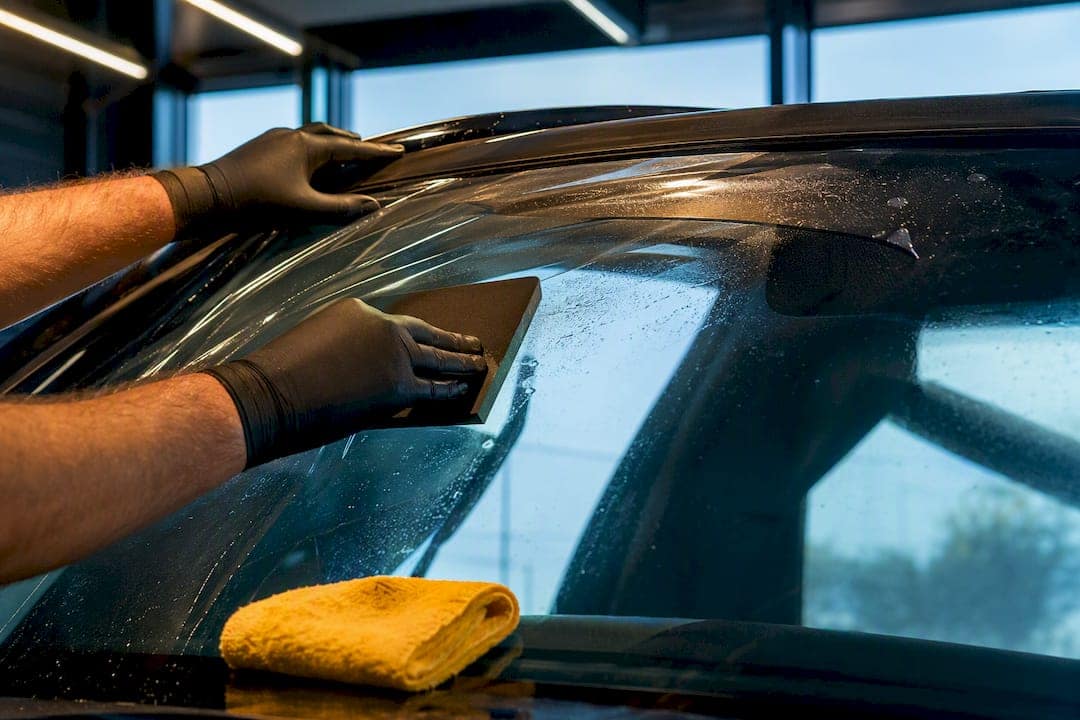
Windshield protection film is an effective, exterior-applied barrier that meaningfully reduces rock chips and costly windshield replacements for drivers who spend time at highway speeds or in debris-prone areas. It works best for owners of ADAS-equipped or luxury vehicles, frequent highway commuters, construction-zone drivers, and fleets, where avoiding one replacement can offset years of the film’s cost. Expect to pay a professional install cost generally in the lower hundreds or more for premium grades, with typical service life around a year or longer.
TL;DR:
- Professional installation of windshield protection film typically costs between $200 and $700, depending on vehicle size, glass curvature, and film quality.
- Windshield protection film can reduce the likelihood of windshield breakage from debris by up to six times, making it particularly valuable for high-mileage or ADAS-equipped vehicles.
- Proper maintenance with gentle cleaning, avoiding abrasive materials, and inspecting edges regularly is essential to extend the film’s lifespan, which usually ranges from one to two years.
- Quality films like ClearPlex or Windshield Skin offer additional benefits such as UV blocking, improved rain runoff, and retention of shattered glass, but do not make windshields indestructible.
- Most reputable installers will provide warranty coverage for bubbling, peeling, and yellowing, and leaving a documented installation with care instructions simplifies warranty claims.
Windshield protection film, sometimes called windshield ppf or a windshield skin, is a thin, optically clear layer applied to the outside of the glass. It’s a different product from interior UV coatings or window tint, which sit on the cabin side and do nothing to stop a rock strike. WPF works because it absorbs kinetic energy on impact, spreading the force across a wider surface instead of letting it concentrate into a single crack point. That’s what stops a pebble strike from turning into a spreading “star” or “bullseye” fracture that forces a full windshield replacement.
Material choice affects both feel and performance:
Thicker films generally trade a touch of optical clarity for more impact resistance, though quality manufacturers keep that trade-off minor.
The strongest evidence comes from Madico’s manufacturer data, which reports that windshields fitted with protection film can be up to six times less likely to break from road debris than untreated glass. That number matters more than it might sound, because modern windshield replacement routinely exceeds $1,500 once you factor in the ADAS camera and sensor recalibration most late-model vehicles require after a new windshield goes in.
A quick way to see the math: one avoided replacement on an ADAS-equipped vehicle can cover the cost of a professional WPF install several times over, since recalibration alone often runs into hundreds of dollars on top of the glass itself.
Beyond crack prevention, owners report a handful of other benefits that rarely make it into the marketing copy:
None of this makes a windshield indestructible. It shifts the odds meaningfully in the driver’s favor.
Pricing splits roughly into three tiers, and labor is usually the biggest swing factor between them.
Warranty terms vary by brand, but most reputable manufacturers cover bubbling, peeling, and yellowing for the length of the warranty period. Read the fine print, since some warranties apply only when a certified installer does the work.
Lifespan is the number that trips up most first-time buyers. Windshield Skin’s product data puts typical consumer lifespan at one to two years, with premium options and diligent maintenance stretching that further. Heavy highway mileage, gravel roads, and extreme temperature swings all shorten that window.
Professional installation follows a fairly consistent process, and skipping steps is where most DIY jobs go wrong. A thorough installation process typically runs through three phases:
Common DIY mistakes include trapped air bubbles, uneven edges that catch wind and lift over time, and visible waviness that distorts your view at night under oncoming headlights.
On the ADAS question: modern windshield films use non-metallic substrates, and independent safety reporting from Consumer Reports confirms these generally don’t interfere with camera- or radar-based driver assistance systems. Still, confirm compatibility with your installer before booking, especially on vehicles with sensor housings mounted near the top of the windshield.
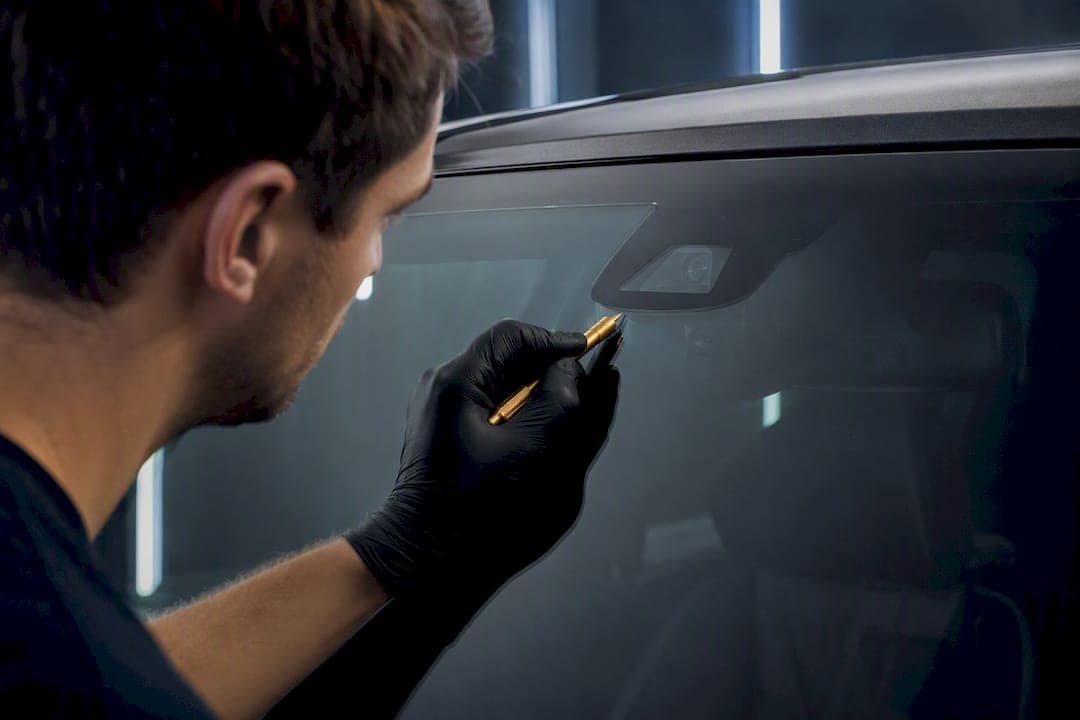
Pro Tip: Before you book an install, ask three questions: what film brand they use, what the warranty actually covers, and whether they’ve installed film on your specific make and model with ADAS features. A confident, specific answer to all three is a good sign you’re in the right hands.
Good maintenance is simple, but skipping it shortens the film’s useful life fast; for detailed advice, follow this streak-free method for UK owners to keep your glass clean and clear.
Manufacturers behind products like ClearPlex recommend a light monthly wax or a proprietary wipe to preserve the film’s hydrophobic surface and scratch resistance. Never run film through an automated power buffer or polisher. For a full seasonal routine, The PPF Company’s maintenance guide walks through care steps by season.
Pro Tip: If your film starts yellowing at the edges or you notice cloudy patches that don’t wipe clean, that’s your cue to replace it. Waiting past that point means you’re driving with reduced visibility, not just a cosmetic issue.

Manufacturer specs tell you what a film is supposed to do. Installation crews see what actually happens over years of daily driving, and the pattern is consistent: owners who put the most highway miles on their vehicle, or who drive ADAS-equipped and luxury vehicles with expensive glass, see the fastest return on a professional install. A single avoided windshield replacement, recalibration included, often pays for the film outright.
A properly documented installation should leave you with a paper trail: the film brand and batch, the install date, photos of the finished work, and written care instructions. That documentation is what makes a warranty claim painless instead of a dispute. Any installer worth booking will hand you that information without being asked, and if they don’t offer it, that’s worth asking about directly.
The gap between a good install and a mediocre one rarely shows up on day one. It shows up eighteen months later, in whether the edges are still tight and the glass still looks factory-clear.
Reading about impact resistance and UV blocking only gets you so far. The real value shows up the first time a rock kicks up off a highway and bounces off your glass instead of starring it. Professional providers can install windshield protection film alongside full paint protection film, ceramic coatings, and window tinting, so your windshield, your paint, and your glass are handled by the same team with matching warranty documentation.
Every install starts with an inspection of your specific vehicle, glass curvature, and driving habits, so you get a film grade that actually matches how you drive rather than a one-size recommendation. If you’re weighing the cost against a future $1,500-plus replacement bill, book a consultation through The PPF Company’s Cochrane service page and get a straight answer on pricing, warranty coverage, and install timing before you decide. You can also browse the full range of protective services, including ceramic coating and tint, on The PPF Company’s services page.
Yes. Manufacturer testing shows treated windshields can be up to six times less likely to break from road debris compared to untreated glass, though a professional install matters for that protection to hold up.
Products like ClearPlex and Windshield Skin are among the most widely installed options, each offering scratch-resistant coatings and manufacturer warranties against bubbling, peeling, and yellowing; the right choice depends on your vehicle’s glass curvature and how your installer handles warranty support.
Windshield protection film is an exterior-applied clear layer, not a tinted film, so it doesn’t fall under Alberta’s window tint darkness restrictions the way side or rear window tint does; confirm placement and clarity with your installer to keep the windshield fully compliant.
Most consumer-grade film lasts one to two years, with premium films and consistent maintenance extending that further before replacement is needed.