
Yes, paint protection film is one of the smartest upgrades you can put on a white car, provided three things line up: a premium TPU film with a genuine anti-yellowing topcoat, an installer who trims and finishes edges cleanly, and a maintenance routine you actually follow. Skip any of those three, and white paint is the finish most likely to show it. The sections below walk through the material science, the yellowing myth, clear versus color PPF, and what it costs to get this right.
TL;DR:
- Premium TPU films with anti-yellowing topcoats and proper installation are essential for white PPF to prevent visible edge outlines and color shift over time.
- Surface contamination from road grime, nicotine, or brake dust can mimic yellowing but can be cleaned off; genuine yellowing does not wipe away with regular washing.
- Full coverage or strategic partial protection on high-impact panels like the hood and bumper offers the best value for white cars exposed to chips, stains, and dirt.
- Installer skill significantly impacts final appearance, especially regarding edge trimming, substrate preparation, and avoiding trapped dirt, which are highly visible on white paint.
- Regular maintenance with rinsing, pH-neutral washing, and prompt removal of contaminants preserves clarity and prevents issues that may be mistaken for film aging.
Paint protection film is a thin, transparent (or color-infused) urethane layer applied over factory paint to absorb impacts from gravel, road debris, and minor abrasion before they reach the clear coat. It works as a sacrificial layer: rock chips, bug splatter, and light scratches hit the film instead of your paint, and a decent film shrugs most of that damage off on its own.
Modern film is built from thermoplastic polyurethane, or TPU, which replaced the older PVC-based films that dominated the market a decade ago. TPU flexes around body curves without cracking, resists yellowing far better than PVC, and carries a topcoat that “heals” light scratches with a little heat from the sun or a heat gun. That self-healing layer matters more on white cars than any other color, since a swirl mark or a scuffed film edge is far easier to spot against white.
Premium films typically run 7.5 to 8 mil thick, thick enough to absorb real impact energy while staying thin enough to disappear visually once installed. A few specs worth knowing before you shop:
Yellowing is real, but it is almost always a symptom of cheap film, not an inevitable outcome of putting PPF on a white car. The discoloration comes from three overlapping mechanisms: UV radiation breaking down the polymer chain, plasticizers migrating out of older PVC-based films, and adhesive layers oxidizing after years of heat cycling. All three accelerate on darker or cheaper films with weak UV inhibitors, and all three show up starkly against a bright white base coat where even a slight amber cast is obvious.
Here’s the part most owners get wrong: what looks like yellowing after six months is usually surface contamination, not film degradation. Road film, nicotine residue near cigarette smoke, or a coating of iron particles from brake dust can all sit on top of the film and look yellow until you actually clean it.
Quick check: True film yellowing won’t wipe off with a regular wash and a microfiber towel. If a decent clean restores clarity, you’re dealing with surface buildup, not a failing topcoat.
Premium TPU films with dedicated anti-yellowing topcoats have largely solved this for buyers willing to pay for them. UPPF’s white film line backs its hydrophobic, color-stable formula with warranty language that explicitly covers yellowing, bubbling, cracking, and delamination, and that warranty window is a useful proxy for how confident a manufacturer actually is in its own chemistry. A few practical tells to check before you buy:
Clear film preserves whatever white you already have, wrinkles, oxidation, and all. Color-infused white PPF replaces what the eye sees with a fresh, factory-consistent white, which makes it the better call on a car whose paint has started to age.
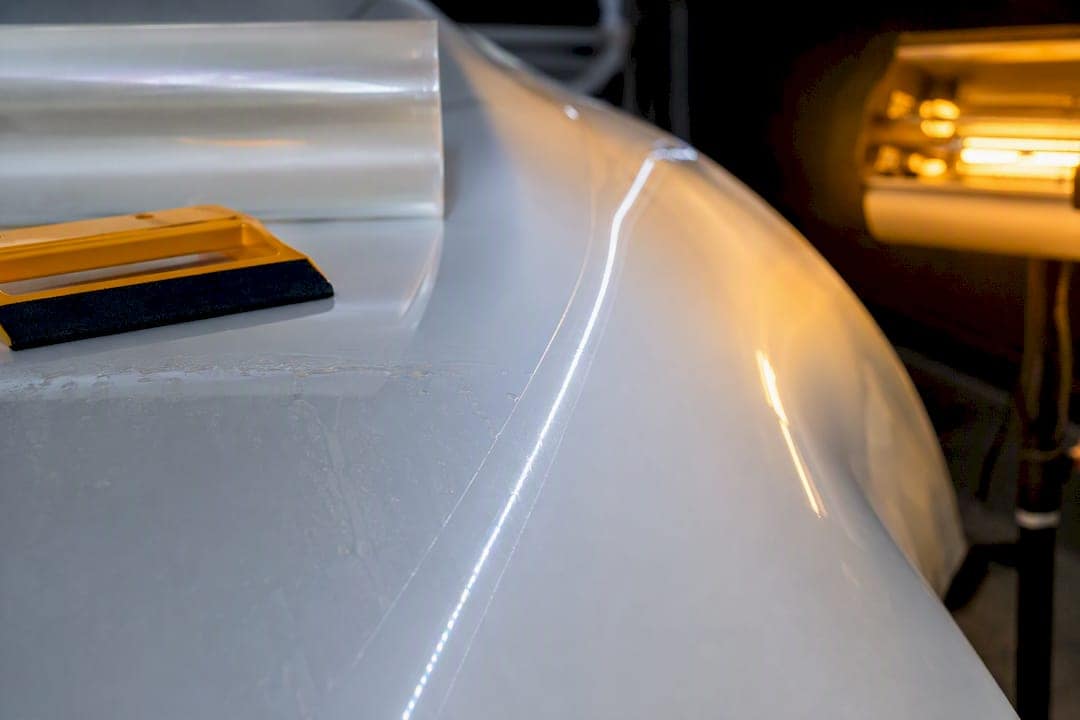
Clear PPF is the right choice when your paint is in genuinely good shape, either factory-fresh or recently corrected. It keeps the car’s original finish intact underneath, which matters if resale value or OEM authenticity is a priority. The trade-off is edge visibility: on a bright white panel, the film’s outline can catch light at certain angles, especially with lower-grade film or sloppy trim work.
Color-infused white PPF solves a different problem. If your paint has minor swirling, slight sun fade, or a mismatched repair panel from years ago, a white film like Wrapford’s High Gloss Crystal White or Pioneer’s Frozen White resets the tone to a neutral, consistent white and hides those imperfections underneath. Manufacturers specifically formulate these films to avoid the pink or yellow tint shift that plagued early colored wraps, which is why “neutral white” language shows up so often in current product specs.
Pro Tip: Bring your car to the shop in daylight, not under fluorescent bay lighting, before approving a color PPF match. White shade differences that look invisible indoors can be obvious in direct sun.
White cars get hit harder by a few specific problems, chips that expose gray primer underneath, bird droppings and tree sap that stain faster than they do on darker paint, and brake dust that shows up more visibly on lower panels. PPF addresses all three directly.
The real benefits:
The real downsides:
If budget limits you to partial coverage, prioritize the hood, front bumper, mirror caps, and rocker panels. Those five zones absorb the overwhelming majority of rock chips, door-edge dings, and splash damage on a typical daily driver. They’re the panels where a chip is most visually jarring against white paint.
A poorly trimmed edge on a black car might go unnoticed for years. On white paint, under direct sun, that same seam catches light and announces itself. Installer quality is the single biggest variable in whether white PPF looks factory-installed or obviously applied.
The most common installer errors, and how they show up specifically on white film, include:
Manufacturer guidance backs this up directly: white film installs generally require cleaner application environments than clear film, since every speck of dust becomes visible against a light background instead of disappearing into a transparent layer.
Coverage choice affects the visual outcome too. A partial front kit (hood, bumper, mirrors, fenders) leaves a visible transition line where film meets paint, one you’ll want positioned along a natural body seam rather than mid-panel. Full-front coverage removes most transition lines from view. A full wrap eliminates them entirely but costs the most and takes the longest install window.
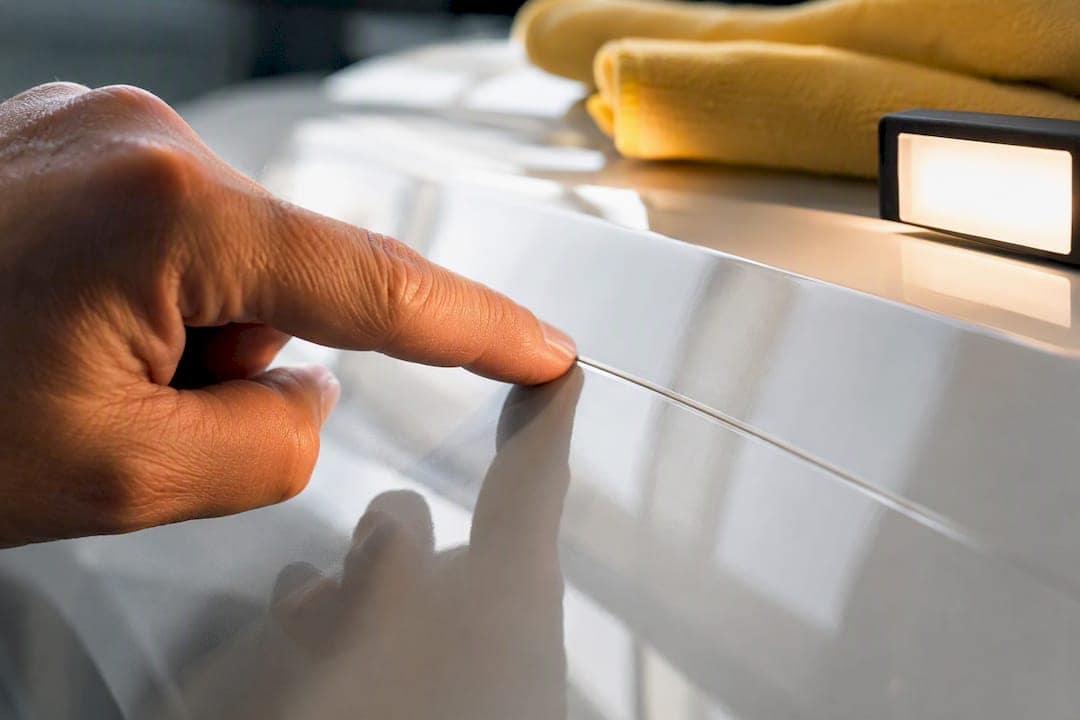
Pro Tip: At pickup, run your fingertip along every panel edge in direct light. You should feel a smooth, sealed transition, not a lifted corner or a ridge. Ask to see the installation phases your installer follows, since a documented process is usually a sign they take edge work seriously.
Film doesn’t stain the way bare paint does, but it does trap contaminants on its surface if you let them sit. A simple weekly routine prevents almost every maintenance issue white PPF owners run into.
For water spots and light bird-dropping residue, a dedicated pH-neutral detail spray with a microfiber towel handles most cases without touching the film’s finish. Avoid anything abrasive or ammonia-based, since those can dull the topcoat’s gloss faster than normal weathering ever would.
Ceramic topcoats aren’t mandatory, but a yearly reapplication boosts the hydrophobic effect and makes the whole cleaning routine easier. If you start seeing consistent lifting at seams, a hazy patch that won’t buff out, or a film section that stays cloudy after a proper wash, that’s your signal a panel needs replacing rather than another round of detailing. Regular maintenance routines extend how long you can go before that becomes necessary.

Cost depends almost entirely on coverage area, film grade, and whether your paint needs correction before installation. A partial front kit runs less than full-front coverage, which runs less than a full wrap, and any panel with existing swirls or oxidation adds paint correction time and cost before film ever goes on. Paint correction before install is worth budgeting for separately if your car has more than a couple years of unprotected exposure behind it.
Premium TPU film with a documented anti-yellowing warranty typically carries warranty coverage in the 7 to 10 year range, reflecting genuine confidence in the chemistry. Economy film, often PVC-based, tends to look fine for the first year or two before yellowing and edge lifting show up right when you’d expect a premium product to still be performing well.
A few decision rules worth using instead of gut instinct:
The gap between a white PPF install that looks factory and one that looks obviously applied almost always comes down to prep and patience, not the film itself. Some installers see the same pattern repeat: rushed installs skip the substrate cleaning step, and six months later the owner is calling about a “yellowing” patch that’s actually trapped grime under a lifted edge.
The best outcomes share a common thread. Installers who take the extra hour to dry-fit panels before committing adhesive, who trim to factory body lines instead of eyeballing a cut, and who walk customers through warranty paperwork at pickup consistently produce film that disappears into the car rather than announcing itself. One recurring success case: a white SUV with a full-front kit installed in a controlled bay, correctly seamed along the hood’s natural crease, still reading clean and glare-free after two full seasons of highway commuting.
The mistakes worth avoiding are rarely about the film brand. They’re about whether someone took the time to do the boring parts right.
The difference between a white-car PPF install that ages gracefully and one you’re second-guessing within a year often comes down to material choice and installer patience. Premium TPU film with self-healing topcoats and a documented, three-phase installation process can help avoid trapped dust, stretched edges, and rushed trimming that show up worst against a white finish.
Whether you’re deciding between clear film to preserve a pristine factory white or a color-infused option to reset an aging finish, the team walks you through both before committing. Interested owners can start with the Cochrane paint protection film page to see coverage options and book an inspection, and anyone already running film should bookmark the maintenance guide for keeping it bright between details. If you’re weighing PPF alongside a ceramic topcoat for extra gloss and easier cleaning, that’s worth asking about in the same visit. Book a free inspection to get a real quote on your specific paint condition, not a generic estimate.
For readers who want to dig into manufacturer specs or double check maintenance advice before booking an install, these pages back up the claims covered above:
Yes, for most white cars PPF is a strong choice, especially with premium TPU film and a skilled installer, since it protects against chips and stains that show up more starkly against white paint than any other color.
The strongest options are premium TPU films, either clear or color-infused white, with documented anti-yellowing topcoats and warranties that specifically name yellowing, bubbling, and delamination as covered defects.
Cost varies widely based on coverage (partial front kit versus full wrap), film grade, and whether paint correction is needed first, so getting a quote based on your specific vehicle and panel condition gives a far more accurate number than a flat average.
The main downsides are visible edge outlines from poor trimming, yellowing risk with cheap PVC-based film instead of TPU, and installation mistakes like trapped dust or stretched material, all of which show up more noticeably on white paint than on darker colors.