
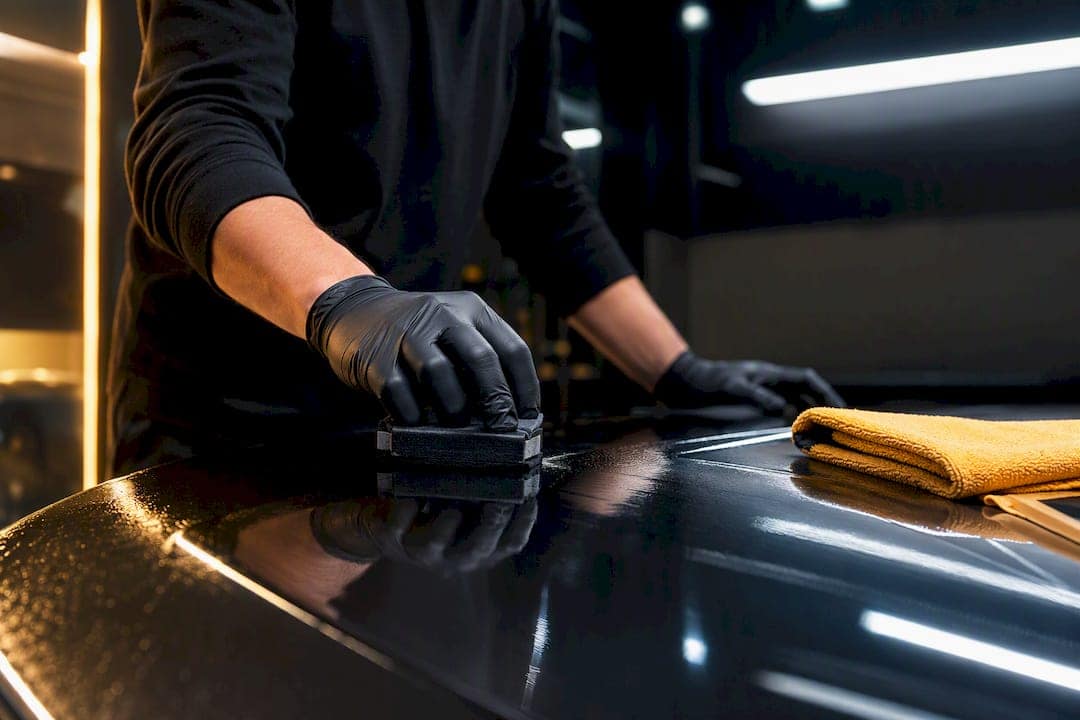
Ceramic coating is worth it if you plan to keep your car five or more years, park outside in a harsh climate, or own a high-value vehicle you want protected long-term. It’s usually not worth it on a short-term lease, a car with already-failing clear coat, or a low-value daily driver where the math never catches up. The catch: none of that holds if the installer skips prep or you skip maintenance.
TL;DR:
- Ceramic coating is most cost-effective and beneficial for long-term owners, high-value vehicles, or cars exposed to harsh outdoor environments.
- Proper application requires thorough surface correction and professional installation; skipping these steps leads to subpar results and early failure.
- Cost typically ranges from a few hundred to around $1,500 for multi-year protection, with actual longevity heavily dependent on maintenance and climate.
- Warranties are conditional and require consistent, correct maintenance; many promises of lifetime coverage are unsupported without detailed product and condition documentation.
- Combining impact protection like paint protection film with ceramic coating provides the best overall protection for impact-prone areas and easier cleaning.
Ceramic coating is a liquid polymer that chemically bonds to your clear coat, forming a semi-permanent layer that changes how the paint interacts with water, dirt, and sunlight. It doesn’t sit on top like wax. It cross-links with the clear coat itself, which is why it survives dozens of washes instead of a handful.
The real, measurable benefits are narrow but genuine:
That last point trips up a lot of buyers. J.D. Power’s guide to ceramic coating is blunt about the limits: coating protects against environmental contamination and simplifies cleaning, but it does not reliably prevent rock chips or deep scratches. If your paint has swirl marks, oxidation, or scratches before the coating goes on, you’re sealing those defects in, not fixing them. Coating is a preservation tool, not a correction tool.
There’s also a real gap between consumer and professional-grade products. Manufacturer documentation from Gtechniq outlines how professional-tier coatings use higher silica concentrations and require controlled application conditions, temperature, humidity, and cure time, that most driveway installs can’t replicate. A $30 consumer bottle applied in a garage on a humid afternoon is not the same product as a professional system applied under shop conditions, even when both call themselves “ceramic.”
The value question isn’t really “does ceramic coating work.” It’s “does it work for your specific situation.” Run through these ownership profiles honestly before you spend the money.
On the other side, coating often isn’t cost-effective for:
Answer four questions honestly before booking anything: How many years do you realistically plan to keep this car? Is it parked outside or in a garage? What’s your typical annual mileage and exposure (salt, gravel roads, coastal air)? And will you actually follow a maintenance schedule, or will the coating get ignored the way a lot of gym memberships do?
Professional ceramic coating packages typically run from a few hundred dollars for an entry-level, single-stage product up into a mid-to-high price range for multi-year, professional-grade systems with paint correction included. The number you get quoted often has less to do with the coating itself and more to do with labor.
The hidden cost isn’t the coating, it’s the correction. Cost-benefit analysis of professional detailing quotes shows that prep and paint correction typically account for the bulk of a professional invoice, not the liquid product itself. A $40 bottle of coating applied over unfixed swirl marks and oxidation is money wasted.
That’s the trap in bargain quotes. A shop advertising a $200 “ceramic coating special” is almost never doing multi-stage paint correction first, because that labor alone often costs more than the special itself.
DIY kits sit at the opposite end. Consumer bottles run $20 to $80 and can be applied at home, but independent long-term testing tells a consistent story: real-world lifespans for DIY kits tend to land in the one to three year range, well short of the multi-year claims on the label, largely because home application can’t match the paneled, climate-controlled conditions professional installers use. One widely cited long-term Gtechniq review documents exactly this gap between marketed durability and what actually survives seasons of real driving.
Here’s the cost-per-year math that actually matters:
Watch for a little pricing red flags: a quote with no line-item breakdown between correction and coating, a price that seems too low for the promised warranty length, and any installer who can’t name the actual product they’re using. If they won’t put the product name on the invoice, that’s a problem. For a closer look at what installers in colder markets typically charge, see what ceramic coating really costs drivers dealing with harsh winters.
A legitimate professional application follows a sequence, and skipping steps is where most disappointing results come from.
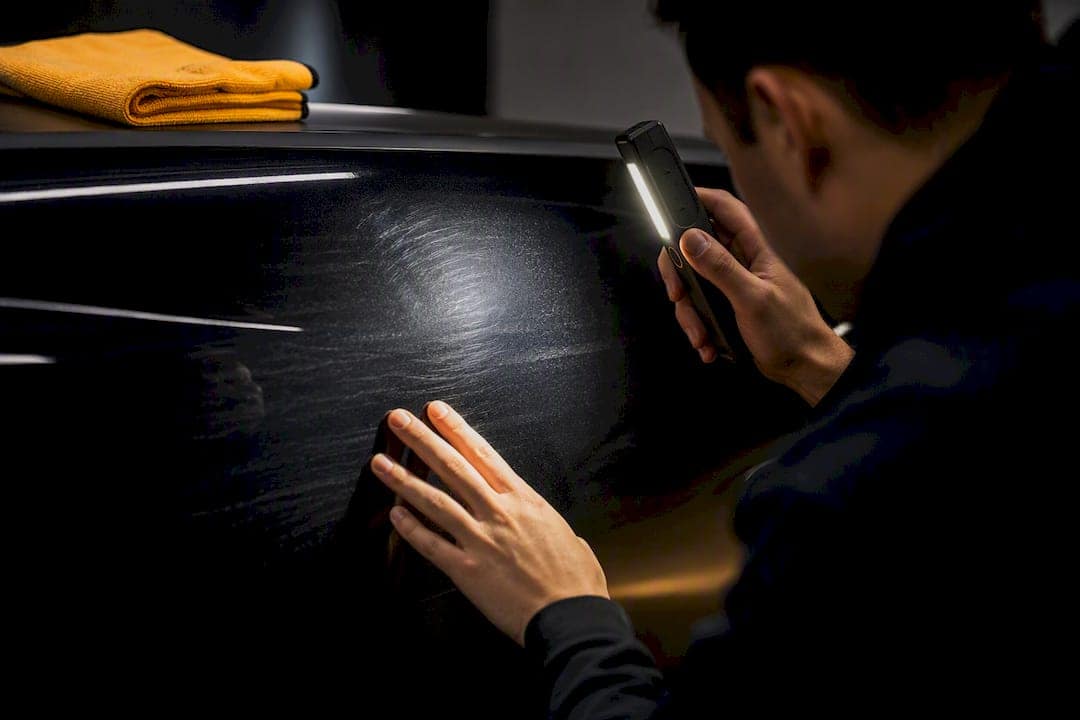
Paint correction isn’t optional if you want the results people show off in before-and-after photos. Coating over unfixed swirl marks just seals in the flaws under a glossy, hydrophobic layer, permanently.
Before you book, ask any installer: What’s the exact product name and brand? What does the written warranty require from me to stay valid? What’s the maintenance schedule, and is it in writing? Walk away from vague “lifetime” claims with no named product attached. A real warranty names the product, the coverage period, and the conditions, in writing, not a verbal promise from the guy behind the counter.
Pro Tip: Ask to see the panel-by-panel correction under a swirl-finder light before the coating goes on. If the installer can’t show you the paint clean under bright direct light, you have no way to confirm correction actually happened.
Maintenance is the variable that determines whether your coating lasts two years or seven, more than the product itself does. A coating that’s never washed with the right pH-neutral shampoo, or gets run through an automatic tunnel wash with aggressive brushes, degrades faster than the same product maintained properly.
Typical maintenance involves washing every one to two weeks with an approved pH-neutral shampoo, avoiding dish soap and citrus degreasers that strip hydrophobicity, and applying a topping booster spray every few months to refresh slickness between full recertification visits. Most professional-tier coatings call for an annual inspection and reapplication of a maintenance product to keep the original warranty valid; skip that, and you’re often on your own if the coating fails early.
Advertised lifespans and real-world lifespans are two different numbers. A widely shared long-term test of a three-year consumer coating found meaningfully reduced hydrophobic performance well before the marketed three-year mark, underscoring how much exposure and upkeep drive the real outcome versus the label.
Climate matters just as much as care habits. Cars parked outside through salted winters or under constant UV exposure see faster breakdown than garage-kept vehicles in mild climates. Realistic ranges: consumer-grade DIY coatings tend to hold meaningful protection for one to three years even with good care, while professional multi-year systems, properly maintained, commonly perform well through the three-to-five-year mark and sometimes beyond, particularly on garage-kept vehicles.
Warranties are conditional, not guarantees. Coverage almost always requires documented annual maintenance visits, the right cleaning products, and sometimes an inspection to renew. Read the fine print before assuming a “seven-year warranty” means seven years of hands-off protection. Get the maintenance requirement in writing, not just the coverage length, and check our ceramic coating maintenance guide for the specifics on wash cadence and approved products. For safe wash technique that won’t undo the bond, see our ceramic coating car wash guide.

Every one of these products solves a different problem, and the most common mistake is expecting one to do the other’s job.
Wax and sealant are short-term, budget-friendly options. Wax lasts weeks to a couple of months; a synthetic sealant might stretch to six months. Both add temporary gloss and mild water repellency at a low cost, and both need constant reapplication. If you’re testing the water before committing to something bigger, or you own the car for a single season, this tier makes sense.
Ceramic coating solves the maintenance and gloss-retention problem over years, not months. It doesn’t wash off, doesn’t need monthly reapplication, and chemically resists contamination in a way wax simply can’t match. But it shares wax’s core limitation: neither one stops a rock chip, a shopping cart door ding, or a deep parking-lot scratch.
Paint protection film (PPF) is the only product on this list built for physical impact. It’s a thick, often self-healing polyurethane film applied to high-impact zones, front bumper, hood, mirrors, rocker panels, that absorbs the rock chips and light abrasions coating and wax can’t touch. If your actual concern is highway rock chips on a new vehicle, PPF is the correct tool, not ceramic coating.
Here’s where owners get it backwards most often:
The smarter approach, and one supported by manufacturer guidance on combined systems, is pairing the two: PPF on the impact-prone panels for physical protection, ceramic coating over the entire vehicle, including the film, for hydrophobicity, easier washing, and UV resistance. Coated PPF also cleans easier and resists staining better than bare film. This combination gets you both forms of protection instead of forcing one product to do a job it was never designed for.
If you’re weighing that combination for a newer vehicle or a Tesla, our guide to Tesla paint protection breaks down how PPF and coating typically get layered on specific panels.
A handful of marketing claims cause most of the buyer’s remorse in this category. Here’s what actually holds up.
Red flags in a quote: a product with no brand name attached, a price that seems too good given the promised warranty length, no mention of paint correction anywhere in the estimate, and warranty language that’s verbal rather than written.
Pro Tip: If you’ve already had a poor installation, get it professionally assessed before paying for a “recoat.” Sometimes a failing coating just needs a proper strip-and-redo with correction this time, not another expensive product layered on top of the same underlying problem.
Coating outcomes come down to two things this article keeps returning to: how well the paint was prepped and how honestly the warranty is written. The PPF Company builds both of those into how ceramic coating jobs get handled in Calgary and Winnipeg.
The team brings combined experience in paint protection film and ceramic coating work, which matters most in the correction stage, the part of the job that determines whether a coating actually performs the way it’s supposed to. Tailored solutions mean the recommendation changes based on the vehicle: a daily-driven truck exposed to gravel roads gets a different plan than a garage-kept enthusiast car that mostly sees weekend drives.
Every installation comes with a clear warranty and written care instructions, addressing the typical issue with warranties that promise coverage without documenting what keeps that coverage valid. That’s the difference between a warranty you can actually use and one that’s just a sales line.
The same prep-first philosophy carries over to PPF installations, where correction and surface prep are important before film goes on. For owners weighing ceramic coating against combined protection, that consistency in process is worth more than any single product claim on a spec sheet.
The decision rule is simpler than most detailing forums make it sound: coat it if you’re keeping the car long enough and driving it in conditions harsh enough to make the multi-year protection matter, and only after the paint is actually corrected first. Skip it if you’re leasing short-term, the clear coat’s already failing, or the car’s resale ceiling doesn’t justify a four-figure invoice.
Before you sign anything, run this checklist. Inspect the clear coat yourself, or have someone check it, under direct light for existing swirl marks and thinning. Request an itemized quote that separates correction labor from coating cost. Confirm the warranty terms and maintenance schedule in writing, not verbally. And run your own cost-per-year math against your realistic ownership horizon, not the shop’s most optimistic pitch.
Everything else, the beading, the gloss, the “nine layers of protection” language, is secondary to those four questions.
The company provides an itemized breakdown that separates paint correction from coating cost, helping clients understand what they’re paying for instead of guessing at a bundled number. That transparency is the difference between a coating that performs for years and one that fails early because prep got rushed to hit a lower sticker price.
If you’re considering ceramic coating alone or combined with paint protection film for impact-prone panels, it’s recommended to request a written inspection and quote before making a decision. Ask specifically for the product name being used, the correction plan for your paint’s current condition, and the maintenance schedule your warranty will require. You can start that conversation through Ceramic Coating Calgary or, if you’re in Manitoba, through Winnipeg Ceramic Coating. Either way, get the quote in writing before the paint touches a buffer.
The main downsides are cost, the need for proper paint correction beforehand, and warranty terms that require ongoing maintenance to stay valid. It also won’t stop rock chips or deep scratches, so owners expecting impact protection from coating alone end up disappointed.
Yes, for chemical resistance, water beading, and easier washing, but the difference depends heavily on installer prep quality and your maintenance routine afterward. A coating applied over uncorrected swirl marks or neglected afterward performs far below its potential.
Professional multi-year coating packages typically run from several hundred dollars for entry-level products up to around $1,500 once paint correction is included, and pricing varies by vehicle size and paint condition. The PPF Company does not publish set prices online, so Ceramic Coating Calgary or Winnipeg Ceramic Coating is the fastest way to get a written, itemized quote for your specific vehicle.
Only if the clear coat is still in good condition and you plan to keep the car several more years. If the clear coat shows oxidation or thinning, coating will seal in existing damage rather than fix it, so a professional inspection before quoting is essential on any older vehicle.